










A robust budgeting process is pivotal to any organization's financial health, as it helps allocate resources more efficiently, identify potential issues, and provide a roadmap for future growth.
Understanding Budgeting: The What and Why
A budget is essentially a financial blueprint that:
- Provides a structure to control your financial operations.
- Guarantees the funding of current obligations.
- Empowers confident financial decisions and goal attainment.
- Ensures adequate funding for upcoming initiatives.
The advantages of budgeting include:
- Effective money management.
- Proper resource allocation to essential projects.
- Continuous performance monitoring against set benchmarks.
- Enhanced decision-making capabilities.
- Proactive identification and mitigation of potential challenges.
- A clear vision for the future.
Crafting a Budget: Different Approaches
1. Incremental Budgeting
This approach bases the budget on the past period's data, adjusted for anticipated changes like inflation, growth, or other factors.
Pros:
- Ensures stability and gradual change.
- Facilitates consistent departmental operations.
- Simple to implement and understand.
- Avoids conflicts by treating all departments fairly.
- Quick adaptation to changes.
Cons:
- Operates under the assumption of unchanged activities and processes.
- No incentive for cost reduction.
- Potential for outdated budgets.
- Possible inclusion of unnecessary 'budgetary slack'.
2. Zero-Based Budgeting
This strategy ignores historical data. Instead, every cost is justified afresh based on set criteria.
Pros:
- Aligns resources with the organization's objectives.
- Encourages re-evaluation of operational effectiveness.
- Promotes innovative solutions.
- Eliminates wastage and superfluous budget allocations.
Cons:
- Complex and potentially costly to implement.
- Risk of overlooking interdependencies between activities.
- Potential emphasis on short-term benefits over long-term goals.
- Decision-making may become mired in organizational politics.
3. Programme/Project-Based Budgeting
Instead of a fixed financial period, this approach focuses on specific projects or programmes, offering a detailed financial plan tailored to that initiative.
Examples:
- Expansion to a new location.
- Venturing into a fresh market.
Typical Components of a Budget
- Profit & Loss: Provides an overview of revenues and expenses, indicating net profit or loss.
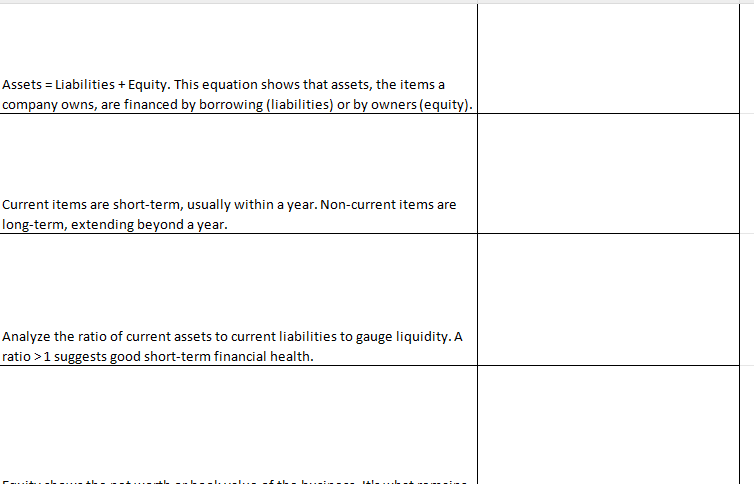
- Balance Sheet: Offers a snapshot of assets, liabilities, and equity at a particular point in time. (download a basic template below)
- Cash Flow: Tracks the movement of cash within the business, ensuring liquidity.
Budgeting is not just about numbers. It's about understanding your business's financial pulse, making informed decisions, and steering the organization according to accurate data.
Related Content

Downloadable
